Harlesden earned its reputation as Britain's reggae capital through decades of Caribbean migration, pioneering studios, and a concentration of record shops and sound systems that made the area the beating heart of UK reggae culture.
The Windrush Generation Lays the Foundations
The transformation of Harlesden began in the 1950s when coal and steel industries in the area employed labourers from Ireland and the Caribbean. According to the 2011 Census, Harlesden ward is now 67 per cent Black, Asian and minority ethnic, with 19 per cent Black Caribbean. This demographic shift created the conditions for a vibrant Caribbean community to take root in Brent.
Planetone Studios: Britain's First Black Recording Studio
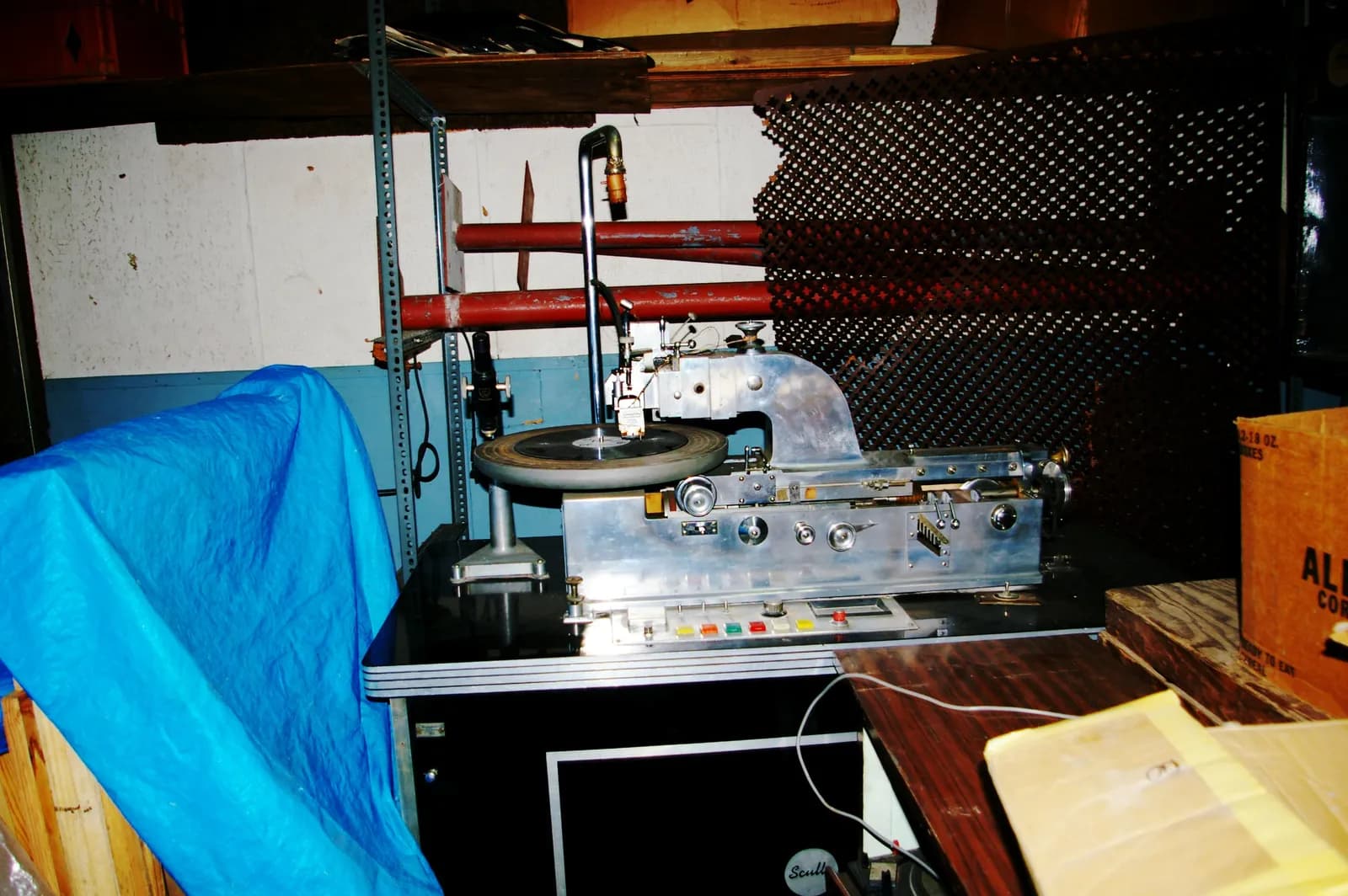
In 1961, Jamaican producer Sonny Roberts established Planetone Studios in the basement of 108 Cambridge Road, Harlesden. It became the first Black-owned recording studio in Britain. Roberts had arrived in London in 1953 and began running the Lavender sound system in the 1960s before opening the studio. The basement space became the heartbeat of Rhythm and Blues and Ska recordings, releasing and distributing music that would help define the UK reggae sound.
In 1970, Roberts opened Orbitone Records on Harlesden High Street, the first specialist record shop in the area, which by the mid-1970s had become a hub for producing, licensing and distributing soca music.
Trojan Records and the Neasden Warehouse
While not strictly in Harlesden, the neighbouring area of Neasden played a crucial role in the reggae story. Trojan Records, co-founded by Lee Gopthal, Duke Reid and Chris Blackwell, operated from a warehouse at Neasden Lane, Willesden until 1975. The label became a major force in UK reggae, releasing almost 30 chart hits between 1969 and 1976. Between 1968 and 1972, reggae sales in the United Kingdom exceeded those in Jamaica, demonstrating the genre's explosive growth in Britain during this period.
The Cimarons: Britain's First Home-Grown Reggae Band
The Cimarons formed in 1967 at the Tavistock Youth and Community Centre on Tavistock Road, Harlesden. Original members included Locksley Gichie, Franklyn Dunn, Maurice Ellis and Carl Levy, with Winston Reedy joining later as lead vocalist. The band's first gig took place at Harlesden Cricket Club in 1968.
The Cimarons are recognised as England's first home-grown reggae roots band. They worked as session musicians for Trojan Records and backed major artists including Bob Marley in 1972, Jimmy Cliff, and Paul McCartney. The band appeared on Top of the Pops in 1974 and toured internationally, yet they remain under-recognised and, according to recent documentary evidence, were exploited without receiving proper royalties for much of their work.
Record Shop Culture on Craven Park Road
During the 1970s and 1980s, dozens of record shops lined the streets of Church Road, Craven Park Road and Harlesden High Street. Today only two remain: Hawkeye Records and Starlight Records, both on Craven Park Road. Hawkeye is co-owned by Roy Forbes Allen and Gerry Anderson, regarded locally as a reggae guru. These shops serve as living museums of the area's musical heritage, preserving the culture even as the physical landscape changes.
Blue Plaques and Official Recognition
The Federation of Reggae Music, led by singer Delroy Washington, has worked to secure official recognition for Harlesden's reggae heritage. Blue plaques now mark significant sites including:
- The Cimarons plaque unveiled on 12 July 2014 at Tavistock Youth and Community Centre by the Mayor of Brent, Bobby Thomas
- Dennis Brown's residence on Hazeldean Road
- Bob Marley's residence on The Circle, Neasden
Dennis Brown, known as the Crown Prince of Reggae, lived on Hazeldean Road. Other reggae luminaries with Harlesden connections include Janet Kay, General Levy, and Liz Mitchell of Boney M, who lived on Wrottesley Road.
The Brent Black Music Cooperative
In 1983, Brent Council granted funding to establish the Brent Black Music Cooperative Rehearsal Studios in Willesden. The facility provided studio space and training for numerous acts, including The Last Poets and Aswad, cementing Brent's role in nurturing reggae talent.
Radio and Sound Systems
Harlesden has long been home to influential radio stations. The Beat London, licensed on 103.6 FM, broadcasts urban music from Harlesden High Street. Historically, pirate stations including RJR 98.3, UK Roots 95.4 and Omega Radio 104.1 were described as "very influential to local black artists." Jet Star, once described as "the world's largest reggae distributors," also operated in Harlesden.
The Scene Today
The 2024 documentary "Harder Than The Rock" brought renewed attention to The Cimarons, premiering at Sheffield DocFest in June 2024 to a standing ovation. The band, with original members Locksley Gichie and Franklyn Dunn joined by new lead singer Michael Arkk, continues to perform, including a date at Camden's Underworld in October 2024.
However, the area faces challenges. The decline from dozens of record shops to just two illustrates the pressures on physical music retail. COVID-19 forced Hawkeye Records to slash prices by 20 per cent after the first lockdown. Yet the community remains resilient, with institutions like The Beat London and the surviving record shops preserving Harlesden's reggae heritage for new generations.